By Conrad Onyango, bird story agency
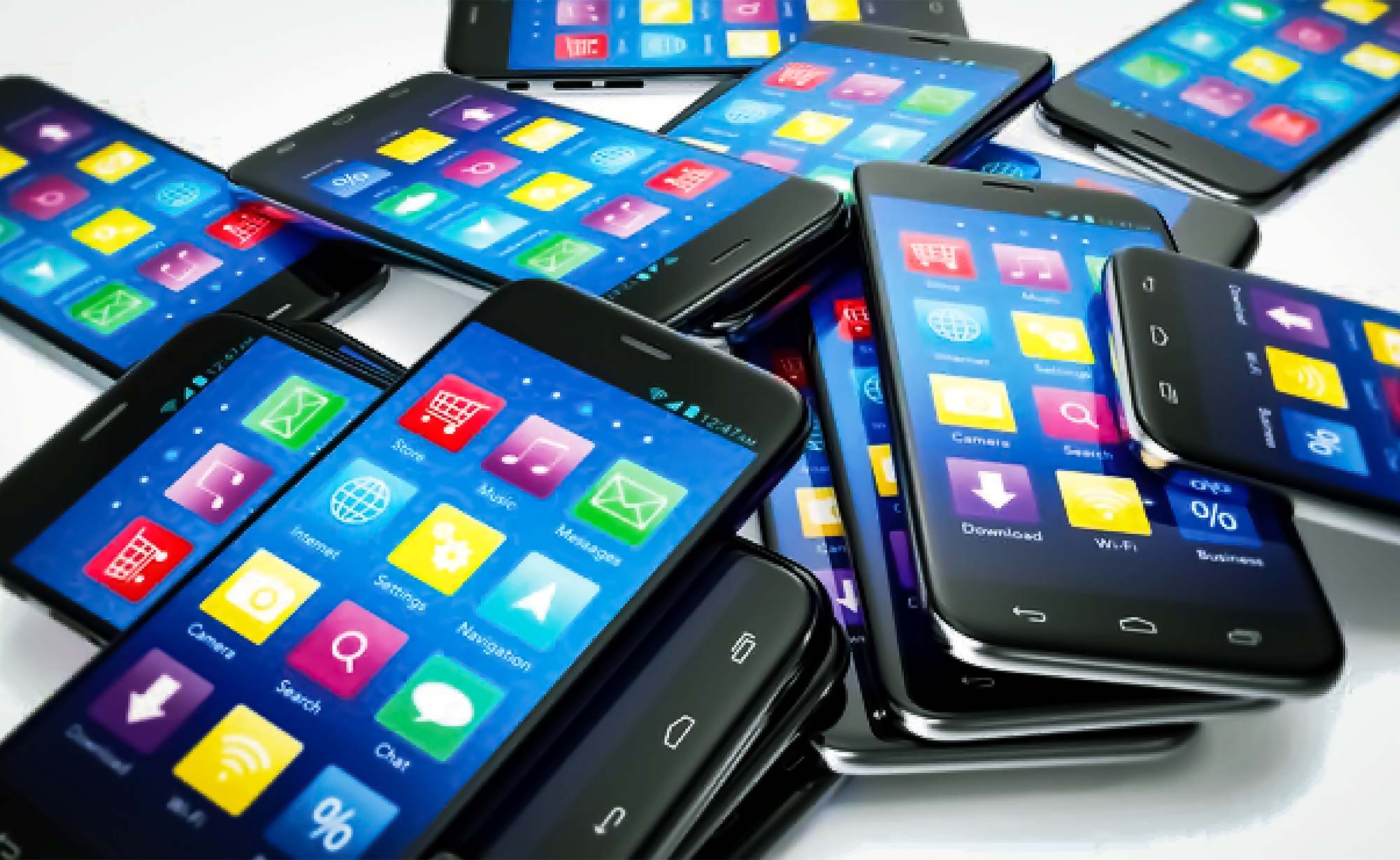
Africa is inching closer to having a homegrown entry-level smartphone, as mobile operators begin designing an internet-ready device expected to cost just US$30 and connect up to 50 million first-time users to the digital economy. The planned 4G-enabled handset will be built to deliver a long-lasting battery, a clear display, a reliable camera, and enough memory to run popular apps, a leap expected to usher tens of millions of Africans into the US$180 billion digital economy.
The initiative, announced at the Mobile World Congress (MWC) Africa in Kigali late last month, is being led by six major operators — Airtel Africa, Axian Telecom, Ethio Telecom, MTN, Orange, and Vodacom, in partnership with the GSM Association (GSMA) under the newly formed GSMA Handset Affordability Coalition.
GSMA’s Director General, Vivek Badrinath, said during the coalition’s launch in Kigali that the six operators have identified what they see as the baseline specifications for ‘a 4G smartphone that is both functional, meets the needs and the elusiveness of a desirable device.’
“It (the smartphone) still has the functionality of a smartphone that makes it interesting and something that people are going to continue to leverage for business, for social life, for all the things that people use as part of their day-to-day life,” explained Badrinath.
Despite Africa’s rapid mobile and internet expansion, the affordability of devices has remained the biggest obstacle to internet access, with the GSMA’s 2025 State of Mobile Internet Connectivity Report showing that while smartphone penetration exceeds 95% in developed markets, it remains below 50%, roughly 200 million people in Sub-Saharan Africa.
Badrinath said the coalition’s milestone agreement on a baseline set of specifications for entry-level smartphones now sets the stage toward tackling affordability barriers to mobile handset access. He said smartphones in Africa need to be reclassified from luxuries to essential goods that necessitate learning, working, and connecting in today’s digital world.
“Let’s stop treating it like tobacco and alcohol. Let’s start treating it like bread and vegetables. It is that kind of basic necessity,” said Badrinath.
GSMA Intelligence estimates that a US$40 smartphone could connect 20 million more people in the region, while a US$30 handset could extend access to as many as 50 million. Entry-level smartphones in Africa currently cost as low as US$100, a price largely driven by taxes and import duties that can inflate costs and make devices out of reach, especially for low-income households.
In 2023, GSMA’s Mobile Tax Policy and Digital Development Report found that taxes accounted for 21% of the cost of a basic internet-enabled handset across 36 Sub-Saharan African countries. On average, such a phone costs 44% of the monthly GDP per capita, but for people in the lowest 40% income bracket, the cost can exceed 113%, with costs in countries like Burundi rising to seven times the monthly GDP per capita.
Kenya, Tanzania, and Uganda are among the countries where taxes on smartphones and related services remain steep. In Kenya, a 16% VAT and 10% excise duty combine to make its mobile sector one of the most heavily taxed in the region. Tanzania’s total duties can account for up to 34% of a phone’s price, while in Uganda, taxes can reach 30%.
The mobile operators renewed calls for a downward review of taxes and levies on mobile handsets, with Rwanda’s President, Paul Kagame, rallying behind the call by emphasizing the need for collaboration between private sector players and governments to make the $30 smartphone initiative a reality.
“This initiative proves that innovation does not belong to one part of the world alone. It can emerge anywhere, from anyone, given the chance. If we cooperate, governments, the private sector, and other partners, we can harmonize policies and create the right environment for innovation,” said Kagame.
Kagame said the African Union, regional blocs, and Smart Africa were already working to cut costs, reduce barriers, and create a single digital market that allows African solutions to scale globally while retaining their value on the continent. Rwanda’s Minister of ICT and Innovation, Paula Ingabire, shared the same sentiments, saying the country’s broadband revolution offered a glimpse of what is possible when policy and partnerships align.
“Just two years ago, in 2023, Rwanda had half a million active 4G users. Guided by our national broadband policy and strategy and through strong public-private partnerships, we undertook reforms to open competition, lower costs, and extend coverage. By June 2025, that number has grown tenfold to 5 billion 4G users,” she explained.
While Kenya is still ranked among countries with high taxes on mobile phones, a GSMA case study showed that when the Kenyan government scrapped its 16% VAT on handsets in 2009, device purchases soared by over 200%, and mobile penetration rose from 50% to 70% within two years. By 2011, Kenya’s mobile sector contributed over KSh 400 billion to the economy and employed nearly 250,000 people.
Developments in South Africa’s mobile industry have also pointed to this strategic direction towards a push for an African-made smartphone dream through policy and tax reforms. In April, the South African government scrapped a 9% luxury tax on smartphones priced below US$140 (ZAR 2,500 ) to make 4G and 5G devices more affordable and accelerate the migration away from legacy 2G and 3G networks.
Mobile operators MTN, Vodacom, Telkom, and Cell C are all piloting switch-offs in South Africa, with MTN planning to complete its 3G phase-out by 2026. The operator had earlier in the year launched an offer allowing 1.2 million of its prepaid users to buy a 4G smartphone for just US$5.42, preloaded with essential apps to ensure digital inclusion as older networks are retired. The condition, however, was that they would stick to MTN. Across Africa, Badrinath noted significant improvements in the number of affordable devices entering the market through strategic partnerships with some major operators, but affirmed prices need to go further down through a review of taxes across markets.
“It’s not a one-size-fits-all; every market will be a little bit different…. Governments have a major role to play, and I think that we’re focusing a lot on how we produce the handset, the device itself, how we look at innovative ways that we can finance the devices over time and de-risk that financing,” said Badrinath.
According to GSMA projections, 4G and 5G will account for 80% of all mobile subscriptions by 2029, while 2G and 3G penetration will fall below 30%.
**bird story agency**