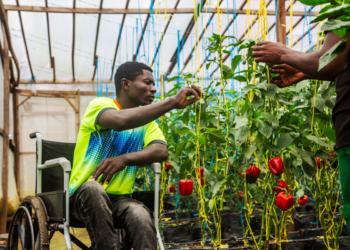
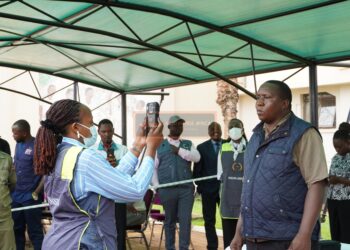
Scroll through the “dreams” section of the Innovation Consortium website, and you will see a group of futuristic thinkers wedded to the belief that their ideas and technological inventions can make the world a better place.
The Innovation Consortium team is an amalgamation of different talents, including an architect, a surveyor, engineers (specialising in mechanics, structural, IT and electricals), medical experts, a physicist, and several other professionals in between.
According to David Martin Makubuya, the Consortium’s Chief Operating Officer, although the team has different, highly specialized skill sets and professional backgrounds, they are all united by a common goal of solving everyday life challenges through innovation.
“We develop and produce appropriate, affordable, sustainable solutions and technologies that best solve a broad range of challenges right from engineering and design to social-economic challenges,” he notes.
The Consortium was founded in 2010. However, it took about four years for it to find its stride. Since then, the group has produced a series of products in the fields of engineering, architecture, social entrepreneurship, ICT, robotics, plus research and development.
As the organization marks 10 years of “consistently putting the “I” in innovation,” as they put it, we bring you the top 12 products, solutions and technologies that they have developed, manufactured and implemented over the last decade.
1. ISSB Interlocking Stabilized Soil Blocks (ISSBs)
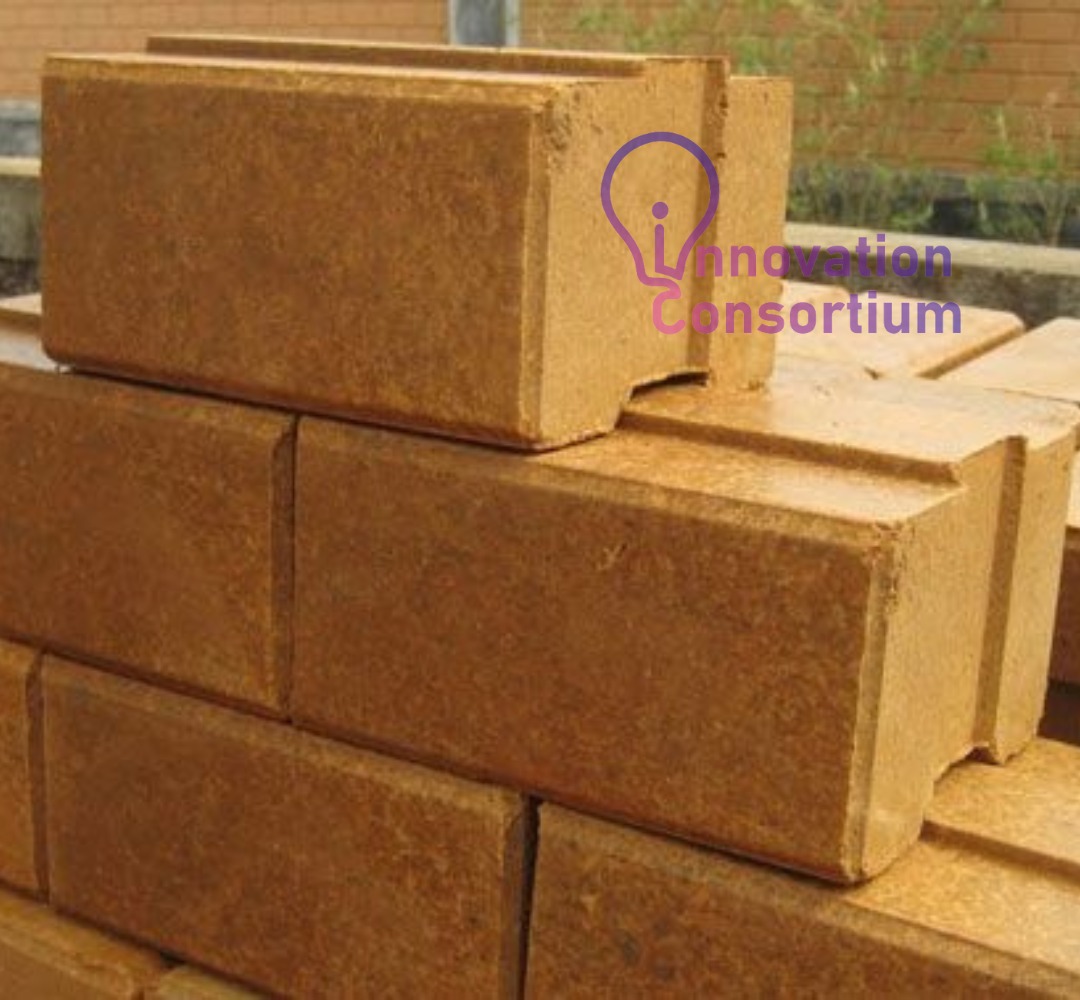
These are made by compacting soil, marram, sand and cement in a compacting machine. There are a number of advantages to using ISSBs compared to ordinary bricks. For starters, they are made on-site, hence there is no cost of transportation. Their interlocking feature and uniformity of blocks make savings on cement and sand in construction and plastering. Due to their uniform nature, they have a wide range of unique finishing options, like varnishing, direct painting and low-cost plastering. They are environmentally friendly, as they don’t involve deforestation or burning of trees. They are made in different sizes, shapes and moulds compared to fired bricks. The Innovation Consortium has built over 100 projects with this technology, including their head office. Check out our website for more of these projects.
2. Precast slab Technology
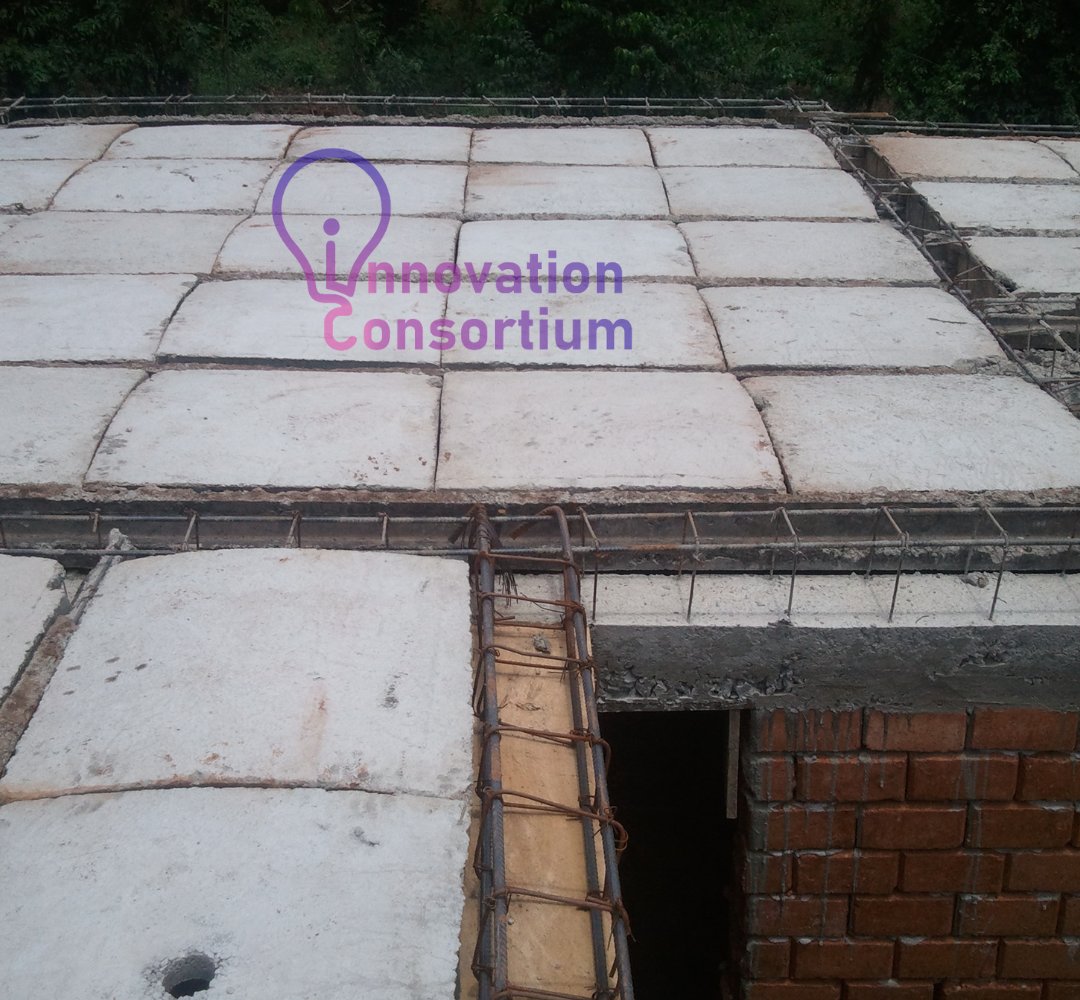
As the name suggests, a precast slab is designed, cast and made off-site and assembled on-site, saving you labour and time. Unlike conventional slabs, precast slabs don’t require max pans. It also saves on cement, sand, timber and steel reinforcement bars. All this translates to a minimum 30 per cent cost savings compared to conventional slabs.
3. Thin Shell Concrete (TSC) Roofing
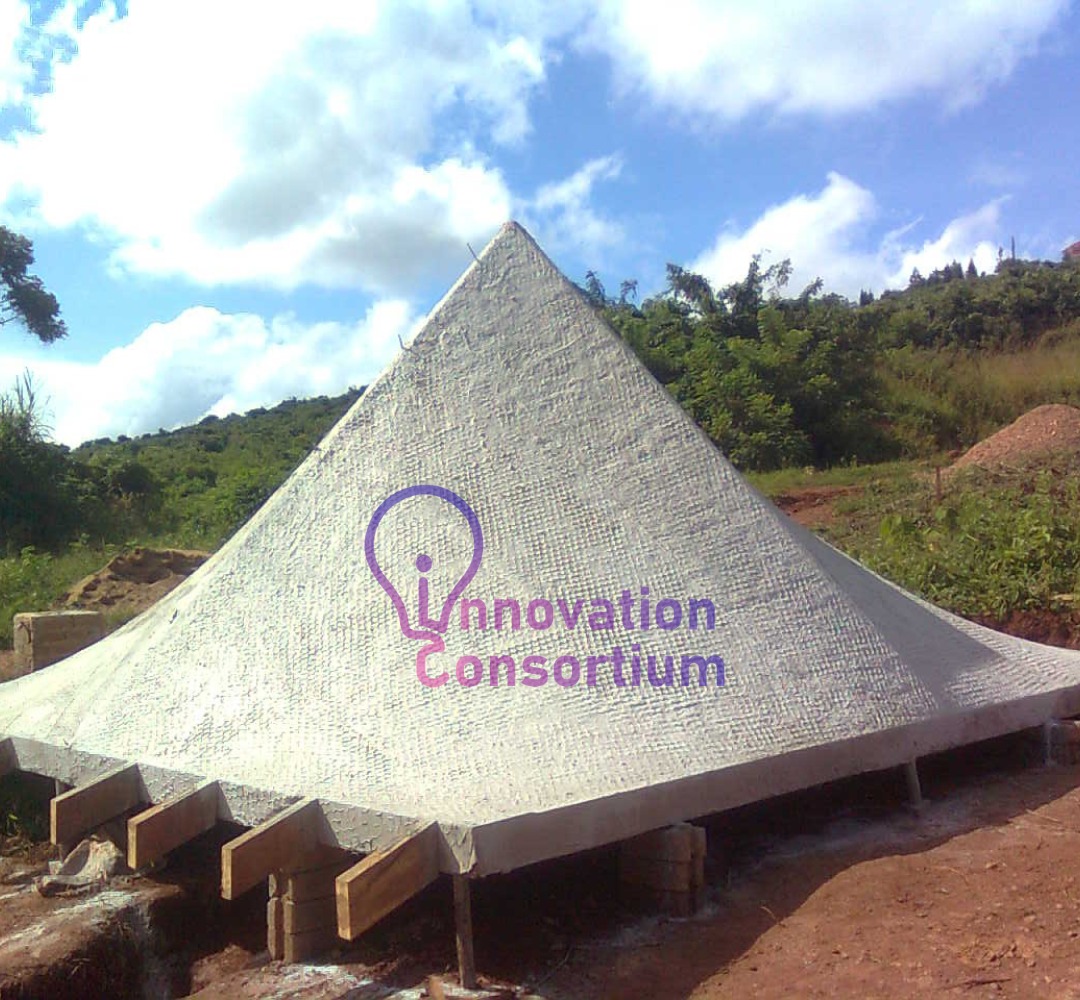
It is a building technology that relies on using concrete under tension to make roofs or walls. The tension is achieved by stretching a mesh over an inorganic cloth layer and pouring a thin layer of concrete. Advantages include (a) sound heat insulation and (b) cost: it is cheaper than the more traditional materials like iron sheets and tiles. TSCs can save about 25 per cent of what iron sheets cost and about 50 per cent cheaper than tiles. This is because it uses cheaply available local materials: mesh, cement, sand, timber and cloth. (c) shape/ Aesthetic: The hyperbola gives a more interesting shape to most conventional roofs. Also, it gives you the skylight option to bring in light. Since it uses less timber, the roof area remains with enough space to offer more headroom or to be utilized for extra storage. Humanitarian solution: Because the materials used are locally and cheaply available, TSC can be used to provide short-term housing solutions to disaster areas. If designed and installed with the purpose, it is possible to make it movable from one disaster struck area to another.
4. Step Tap
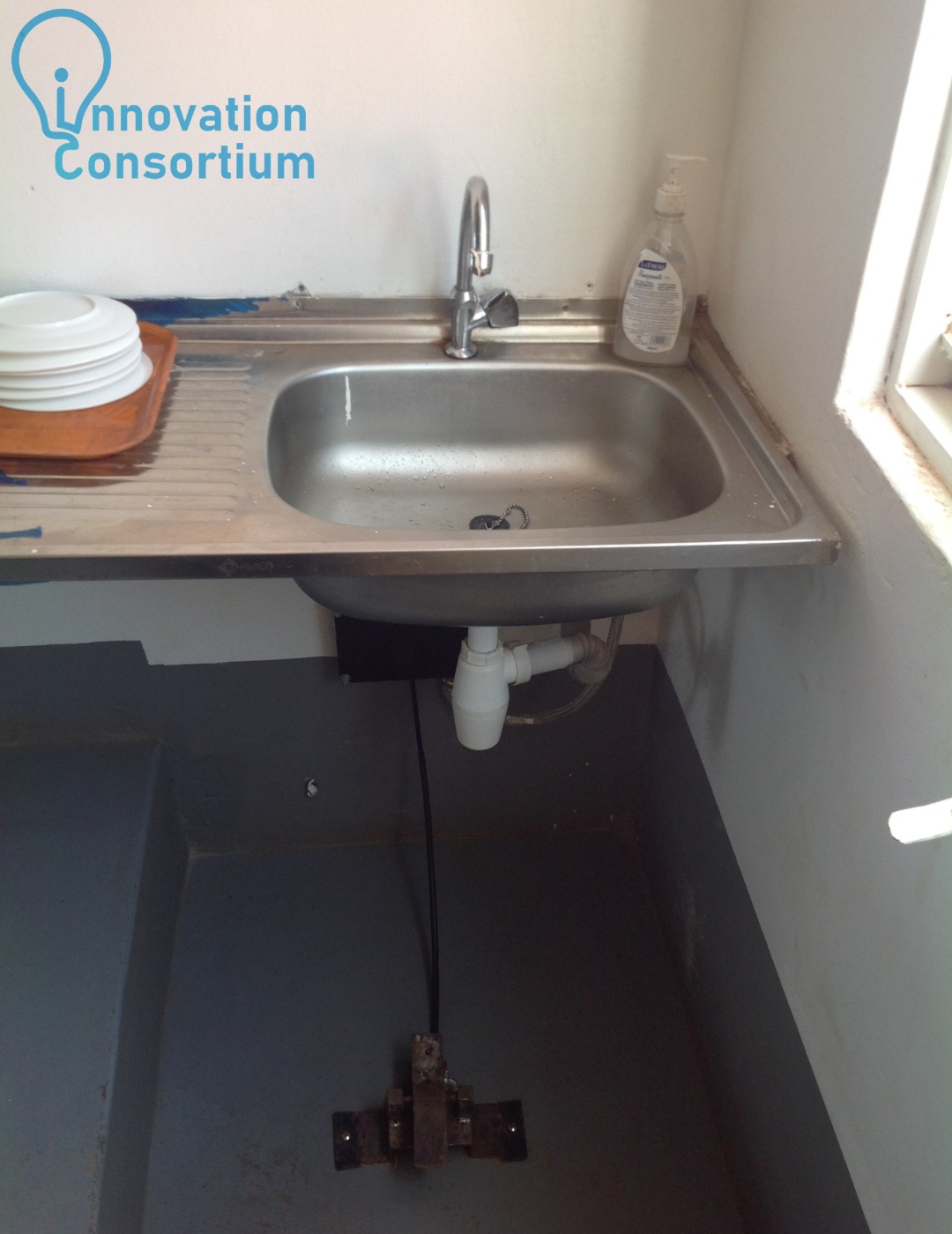
This is a mechanical device that is fixed to any hand-washing facility to give you a hands-free washing experience. It only requires the user to step on the pedal for the water to flow and release the pedal to stop the water flow.
Why Step Tap? Ordinary taps ease the spread of germs from one user to another since their use involves touching the knob for both opening and closing, which leaves germs and dirt on the nobs spreading it to the following user. It leads to a reduced water bill because it eliminates any water wastage due to loosely tightened knobs and wastage between opening, washing and closing. It is easy for disabled people and children to use since it eliminates the height challenge that comes with ordinary taps. Consequently, the Innovation Consortium designed, tested, and improved a version of the wash basin called a stop tap. It can be modified and used for industrial applications.
5. Tip Tap
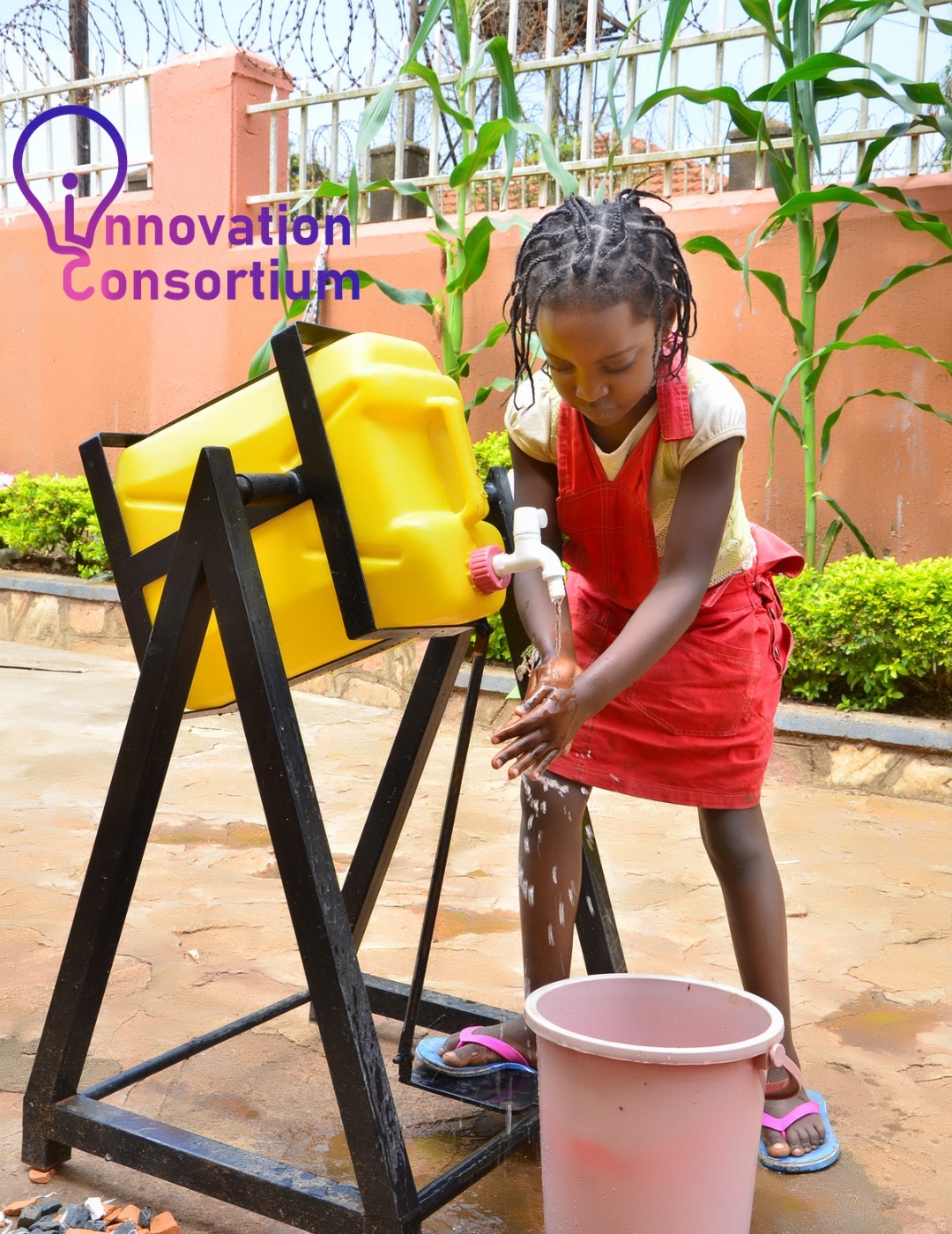
The Tip Tap is a manual hands-free washing device. It is an external version of the Step Tap, and both devices use a similar operating mechanism. This device is made in different ranges depending on the client’s needs. This innovation is designed to be affordable, maintenance-free, portable and user-friendly, as it requires no expertise to operate.
6. Aka Box
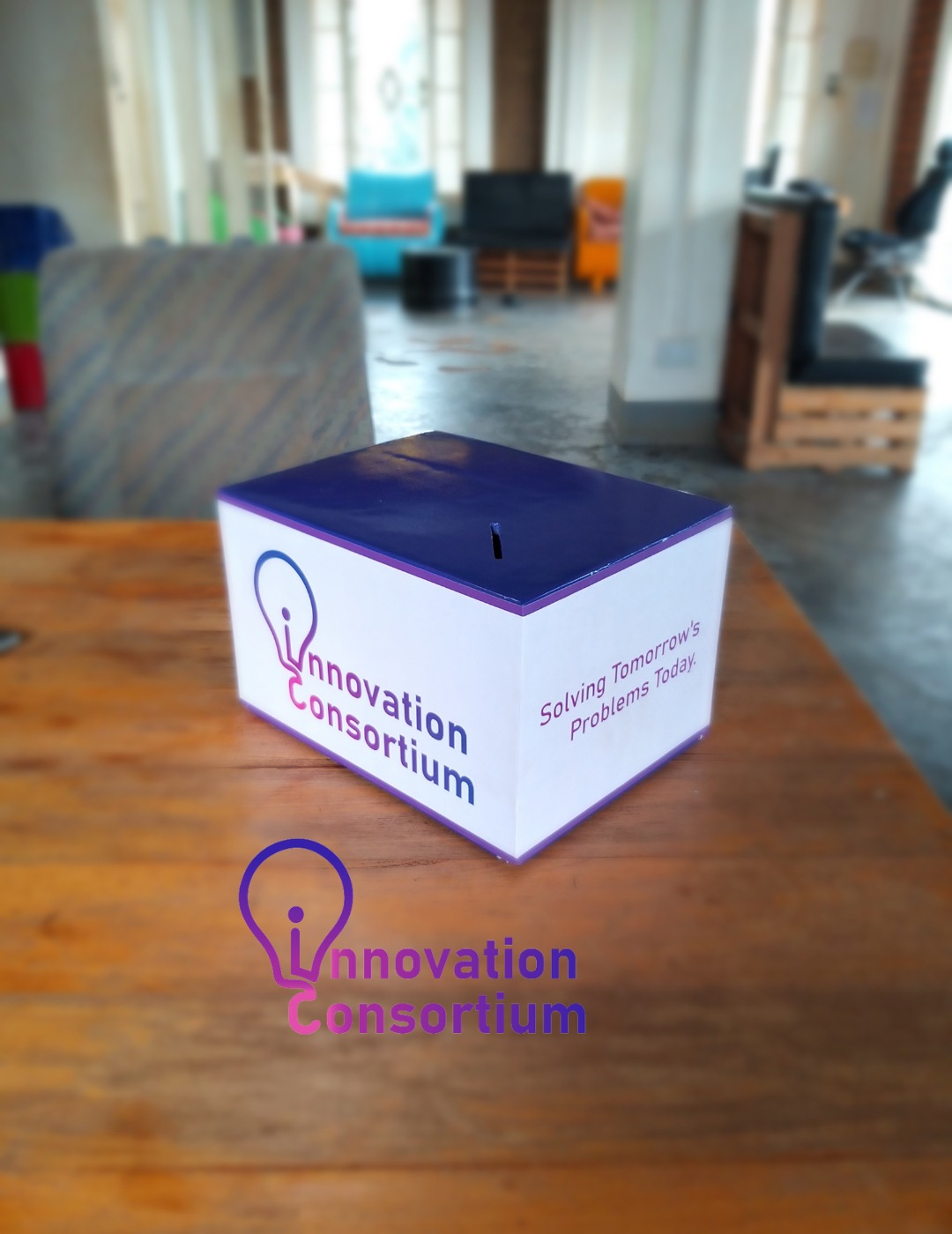
Aka Box is a modern-day savings box. This box is reusable since it is designed with a lock and key. This product comes in various designs and sizes, and every box is customized according to client preference. This custom savings box is made from sustainable, eco-friendly materials and helps build a playful narrative around the serious and life-shaping habit of saving in a quick, fun and relatable way.
7. Kungula Thresher
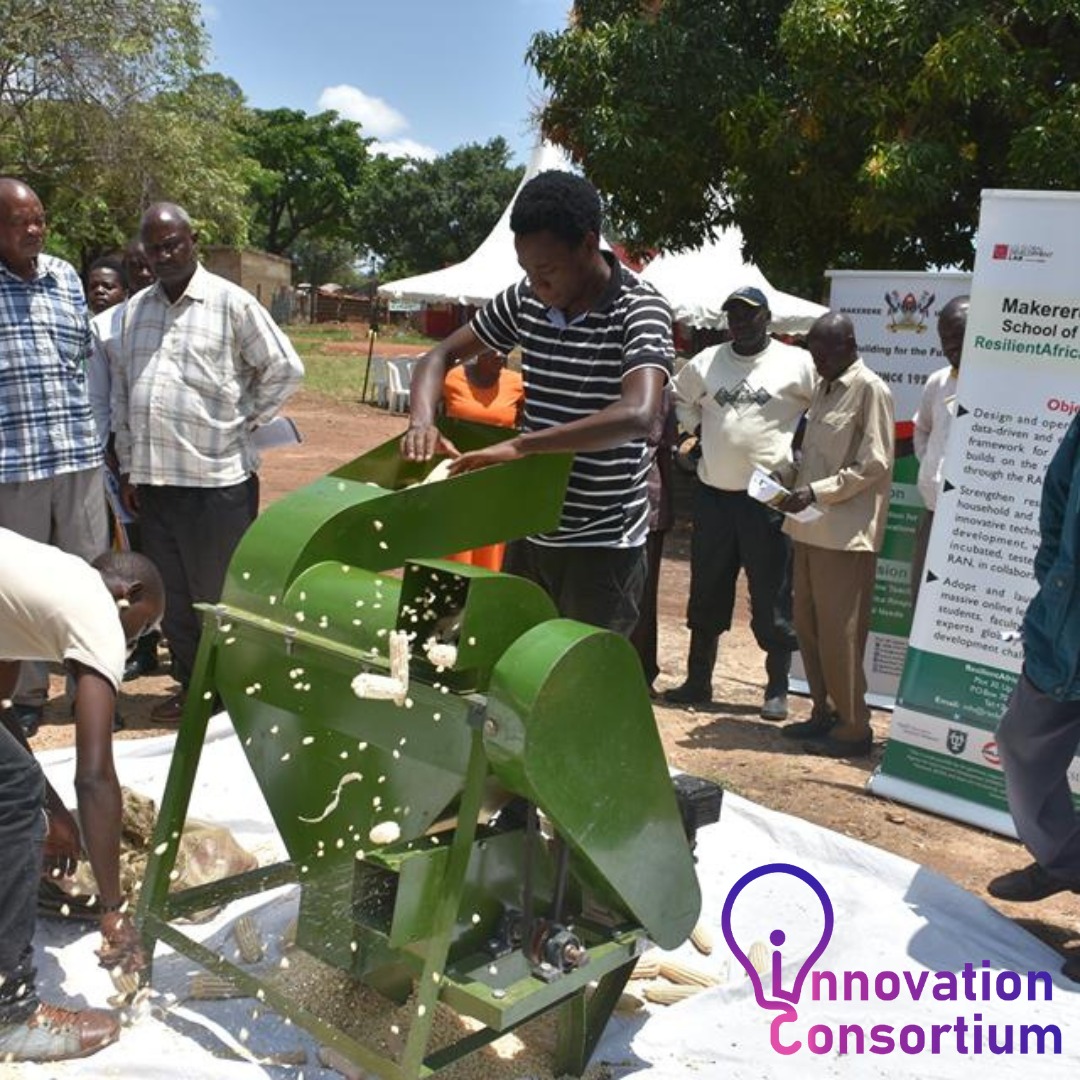
‘Kungula’ is a motorized machine for removing maize grain from the cob. The thresher helps reduce threshing time while increasing efficiency (reducing wastage), all at an affordable cost, translating into increased yields and improved post-harvest value to create better leverage in markets and sustainable farming methods for farmers. Traditional threshing methods like hand threshing or pilling of maize in sacks and hitting it with sticks are very inefficient, laborious, and time-wasting. The resulting quality of the maize grain is very low since dust and broken cobs make up a substantial percentage of the final product. We have designed a mortised threshing machine dubbed KUNGULA that threshes and winnows maize at a rate of 1000kg/hr/litre of fuel with a 99.9 per cent threshing efficiency and 98.2 per cent whole grain ratio.
8. Hybrid Silage and Hay Machine

The ever-expanding population settlements and unpredictable climate changes have led to a scarcity of pastures. To solve this challenge, the Innovation Consortium designed and made a silage and hay machine. This machine is unique and effective in the way that it processes both fresh and dry feeds. It processes a tonne (1000kgs) of silage/hay in one hour, consuming 1.5 litres of fuel. The machine is durable because it is fabricated from the most rigid material, steel. Since the silage/hay machine is produced locally, it’s very easy to operate, repair and maintain, avoiding the need for costly technicians as with the case of imported machines. This machine is equally efficient and 50 per cent cheaper than imported hay machines.
9. Agricultural Produce Driers
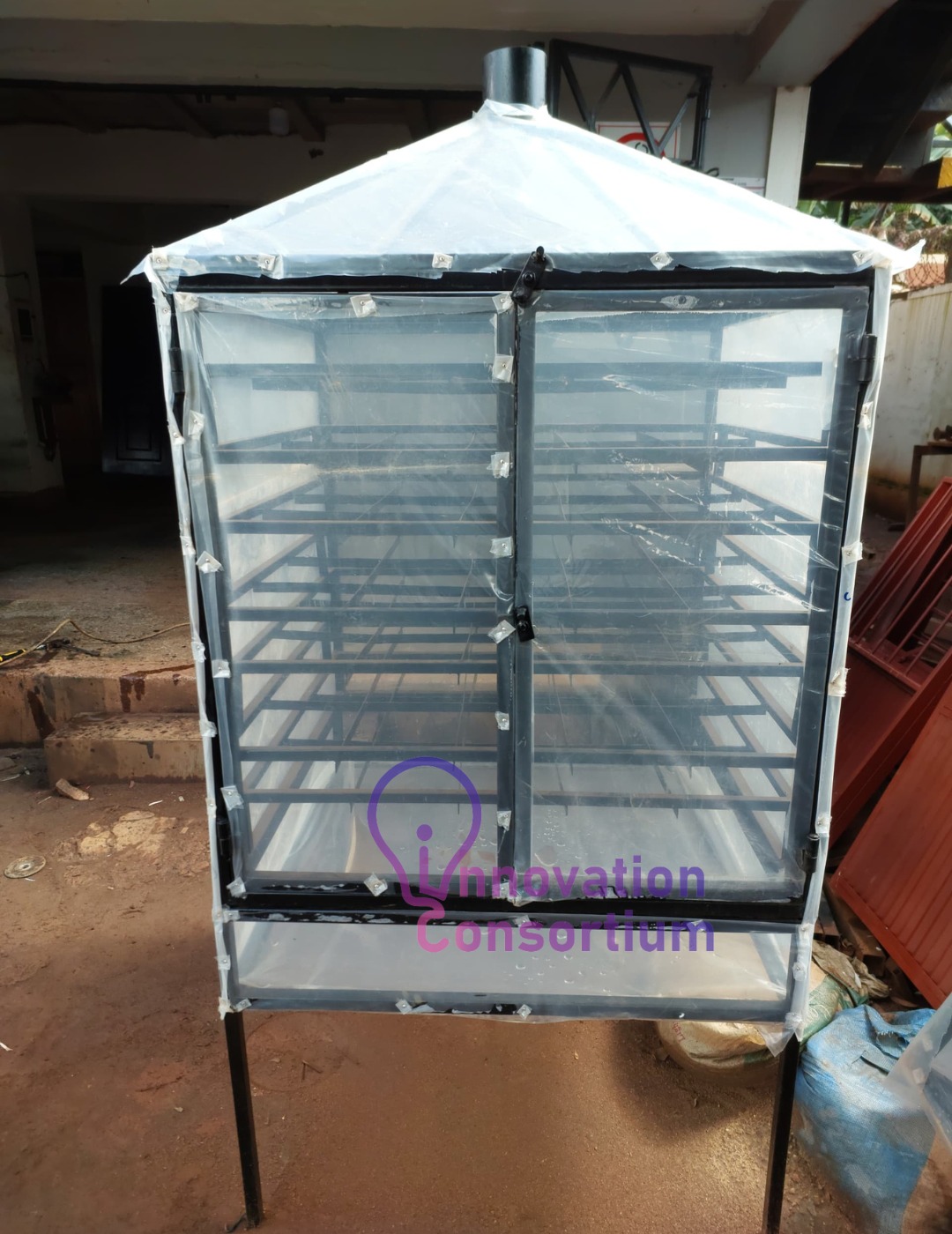
We have designed, tested and fabricated a range of driers for agricultural products like mangoes, greens, pineapples, local herbs, ginger, silverfish, etc. These machines dry these products so efficiently that they can be stored safely for extended periods of time without perishing. These driers are designed to use solar, grid electricity or biomass as a power source. They are fabricated from different materials like wood, aluminium, mild and stainless steel, and they come in domestic, commercial and industrial sizes/ranges.
10. Shipping Container Construction
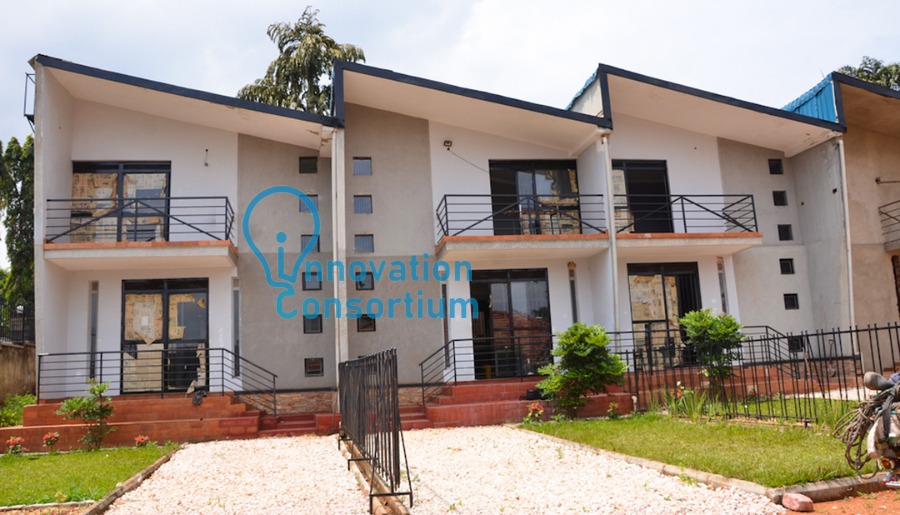
Upcycling in construction is the new trend, and the leading application is the reuse of shipping containers into shelter typologies. Already improvised as site storage, we take this concept further and merge it with our other innovations and technologies to design commercial and residential spaces and look to a future of container assemblies forming sports stadiums and grander projects.
11. Water Tanks
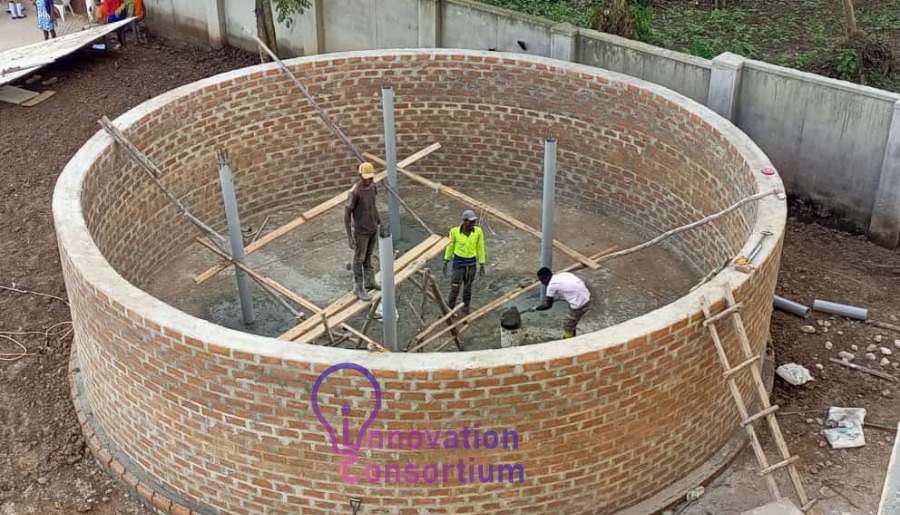
Beyond homes and commercial projects, we use Interlocking Stabilised Soil Blocks (ISSB) to construct both above and underground tanks that make clean water harvesting sustainably 30 per cent cheaper for homes, farms and commercial establishments like institutions. The sizes range from 10,000Ltrs to 500,000 Liters.
12. Ekyooto

Ekyooto is a specially designed and locally made green fire stove. This stove is made using the rocket-lorena principles and is made out of cost-saving Interlocking Stabilised Soil Blocks (ISSB). This product has several benefits, including:
- Using 60 per cent less firewood/charcoal than conventional stoves.
- Offering a smoke-less cooking environment for the user.
- Can be used simultaneously for both cooking and baking at a singular cost.
- Uses both firewood and charcoal and any other combustion agent.
- Is designed to recover heat from exhaust fumes, which makes it highly efficient.
- Can be built in several sizes and designs.